
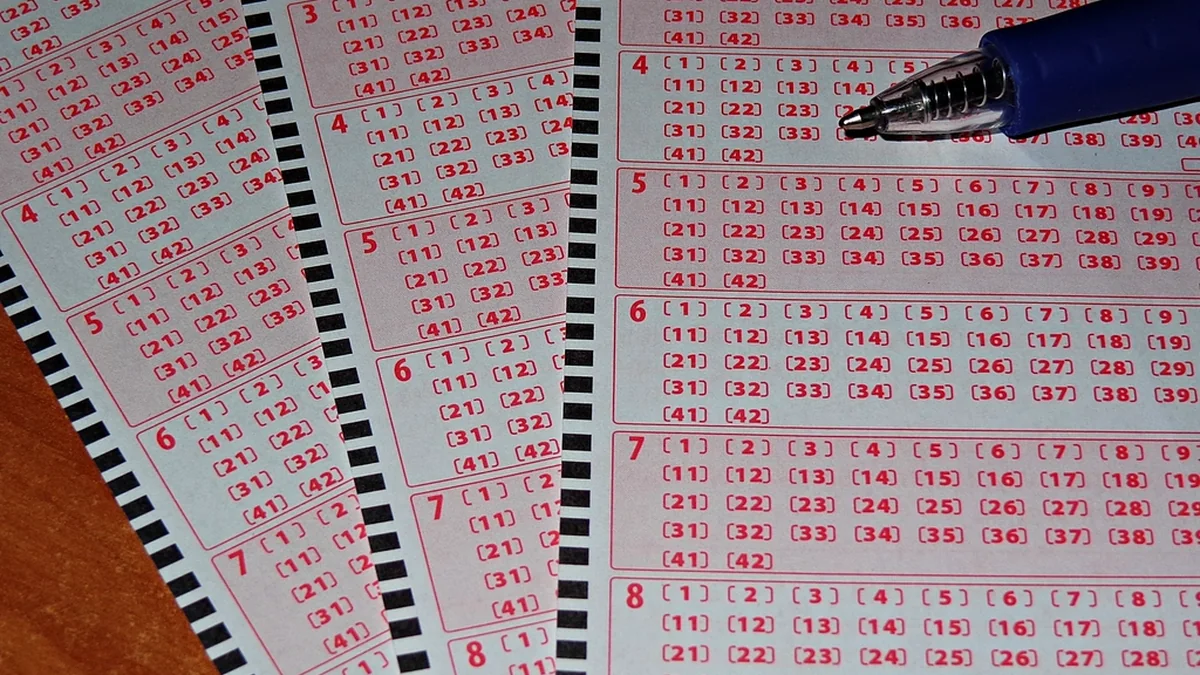
A jackpot headline gives one number, yet the prize behind it can be paid in two very different ways. The large figure on the sign describes an annuity, a stream of payments spread across decades. The smaller figure, often quoted in the same news item, describes what the prize is worth taken as one cash payment. Neither number is wrong. They answer different questions about the same prize. Below, each amount is defined, the annuity structure of Powerball and Mega Millions is laid out, and the variables the supplied evidence leaves open are marked, so a quoted jackpot can be read without mistaking one amount for the other.
Two prices for one prize
The advertised jackpot is the annuity amount: the total of a series of payments made over time. The cash value is what is available immediately if the winner declines that series. Powerball frames this as a choice, and its jackpot winners may take either the annuity or the lump sum cash prize. The choice belongs to the winner, not the game operator, which is why one drawing yields two legitimate dollar figures.
The contrast matters when reading coverage. A sign showing one figure and a news report showing a noticeably smaller one usually describe the annuity and the cash option of the same drawing, not two prizes. Imagine two clippings about a single draw: one calls the jackpot large, the other gives a smaller cash value. A careless reader might think the prize shrank between reports. Nothing changed except the label. Asking which of the two a number refers to is the first step in reading any jackpot record.
How the graduated annuity is built
Powerball's annuity is paid in 30 graduated installments over 29 years, each payment increasing 5% annually. Thirty payments across 29 years fits because the first installment comes up front, leaving 29 annual intervals after it. Graduated means each payment is larger than the last, not equal. That separates this design from a flat annuity, where every check would be identical.
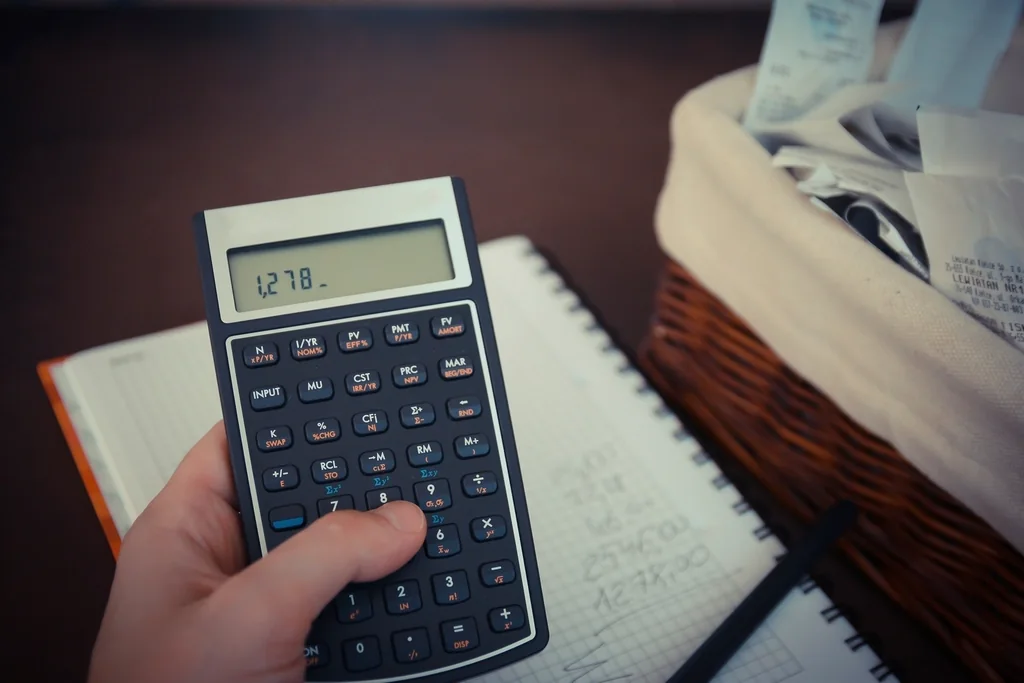
A hypothetical illustration with invented round numbers: if a first installment were 100 units, the second would be 105 and the third 110.25. These figures are illustrative only and chosen so the arithmetic can be checked by hand, since 100 times 1.05 is 105 and 105 times 1.05 is 110.25. They show the direction of growth, not any real Powerball payment schedule. The practical point is that early payments sit below the average and late ones sit above it.
What the lump sum actually represents
The lump sum is paid all at once, and its cash value is about half of the advertised Powerball jackpot. That is not a penalty. A payment made today is a different thing from a promise of larger payments stretched over nearly three decades. One side delivers everything immediately; the other delivers a growing sequence over time. Put plainly, the cash value is the annuity total expressed as a single payment today.
Take a hypothetical headline jackpot of 200 units, an invented number used only for illustration. About half would be roughly 100 units in cash, which is simple division by two. The word about carries weight: the supplied evidence gives a rough proportion, not a formula, so the exact cash figure for any drawing should come from the official announcement rather than from this ratio. Treating the ratio as exact would turn a rule of thumb into a false record.
Powerball and Mega Millions side by side
The two games share a structure but not a floor. Powerball's minimum jackpot starts at $20 million annuity, while the minimum Mega Millions advertised jackpot is $50 million. Both are advertised annuity amounts, so neither is a cash value. Setting a Powerball minimum beside a Mega Millions cash figure would mix two measures, like comparing a gross total with a take-home amount and calling the gap a difference between games.
Mega Millions also pays in 30 graduated yearly installments increasing 5% each year, unless the cash option is chosen. A like-for-like comparison therefore matches annuity to annuity and cash to cash. The shared 5% annual increase means the games differ in their starting minimums, not in how the annuity grows once it begins. Confirm that both numbers describe the annuity first, and only then look at which minimum or which drawing is under discussion.
A quoted jackpot has to be read with its label attached. The larger number is the annuity total, paid in graduated installments; the smaller is the cash value, which the supplied evidence puts at about half. Still unresolved are how the cash value is calculated for a specific drawing, including any interest-rate assumptions, and what a winner keeps after taxes. The supplied sources do not cover those points, so any net-payout figure would be guesswork. Check the official game rules and the drawing announcement before treating any amount as a record.
18+ only. Jackpots are very long shots. See our Responsible Gambling page.